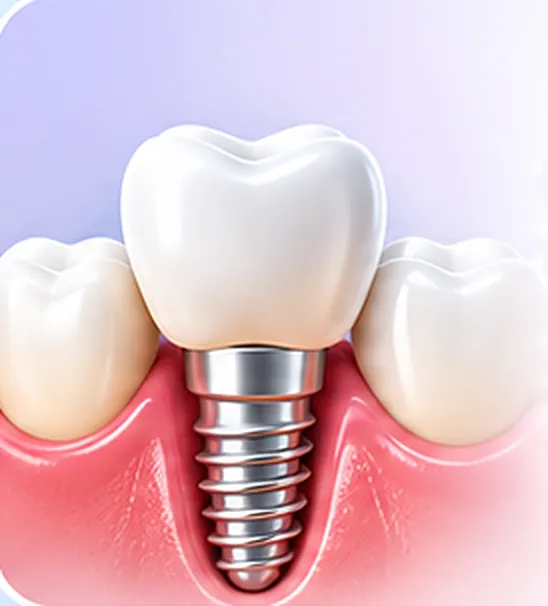
Losing a tooth affects chewing, speech and confidence, and the gap lets the neighbouring teeth drift. A dental implant replaces the root as well as the tooth, so it looks, feels and works like a natural tooth.
How an implant works
- Examination and X-ray to check the bone and gums.
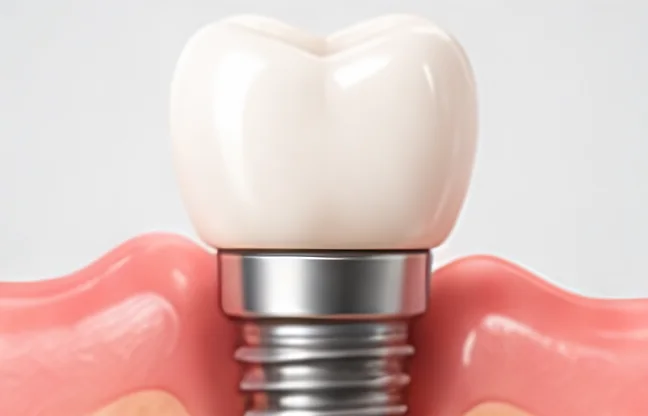
- Placing the implant — a small titanium post — into the jawbone under local anaesthetic.
- Healing for usually a few months while the bone grows onto the implant.
- The crown, made to match your teeth, is fixed on top.
Who can have an implant?
Most adults with healthy gums and enough jawbone. Smoking, uncontrolled diabetes and gum disease slow healing and raise the risk of the implant failing, so they are checked and treated first.
Implant, bridge or denture?
- Implant — fixed, stands on its own, does not cut down the teeth beside it.
- Bridge — fixed, but the teeth on either side are trimmed to support it.
- Denture — removable and the simplest option, especially for several missing teeth.
Caring for an implant
Brush and clean around it as carefully as a natural tooth, and keep up regular check-ups and cleanings. A well-cared-for implant can last many years.
Dental implants at S.P.A Dental Clinic
Dr. S. Parvatham, B.D.S, examines you and takes an X-ray first, explains whether an implant suits you, and confirms the full cost before treatment. A consultation is ₹200.
Frequently asked questions
Is a dental implant better than a bridge?
An implant stands on its own and does not need the teeth beside the gap to be trimmed, as a bridge does. Which is better depends on your bone, gums and the teeth around the gap; the dentist will explain the options.
How long does a dental implant take?
Usually a few months in total: the implant is placed, the bone heals onto it, and then the crown is fixed on top.
Can anyone get a dental implant?
Most adults with healthy gums and enough jawbone can. Smoking, uncontrolled diabetes and gum disease need attention first, because they slow healing.