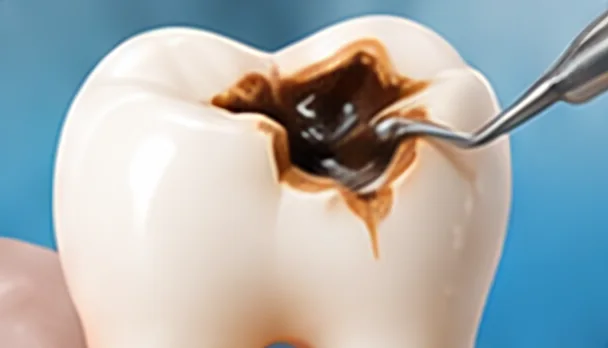
A cavity is a hole that decay makes in a tooth. It does not heal on its own, and it grows. Caught early, it needs only a small filling; left alone, it can reach the nerve and need root canal treatment or an extraction. The question most patients then ask is which filling to choose.
Composite vs GIC at a glance
| Composite | GIC (glass ionomer) | |
|---|---|---|
| What it is | Tooth-coloured resin, bonded to the tooth and set hard with a light | A cement that bonds to the tooth chemically |
| Looks | Matches your tooth closely | Tooth-coloured but more opaque |
| Strength | Strong enough for chewing surfaces | Softer; wears faster where you bite hard |
| Protects against new decay | No | Yes, it releases fluoride |
| How long it lasts | Many years with good care, often 7–10 or more | Usually a few years, less on back teeth that take heavy chewing |
| Best for | Front teeth and most adult back teeth | Children's milk teeth, cavities near the gum line, temporary fillings |
| Cost at S.P.A Dental Clinic | ₹1,200 – ₹1,700 | ₹500 – ₹700 |
Where a range is shown, the price depends on the size of the cavity; the dentist confirms it before starting.
Which one should you choose?
- An adult back tooth that you chew on: usually composite, because it stands up to biting.
- A front tooth: composite, because it matches the colour of your teeth best.
- A child's milk tooth: often GIC. It is quick to place, releases fluoride and only needs to last until the adult tooth comes in.
- A cavity at the gum line, or a tooth that needs a temporary filling: often GIC.
The right choice depends on where the cavity is, how big it is and how you bite, so the dentist explains the option for your tooth before starting.
Signs you may have a cavity
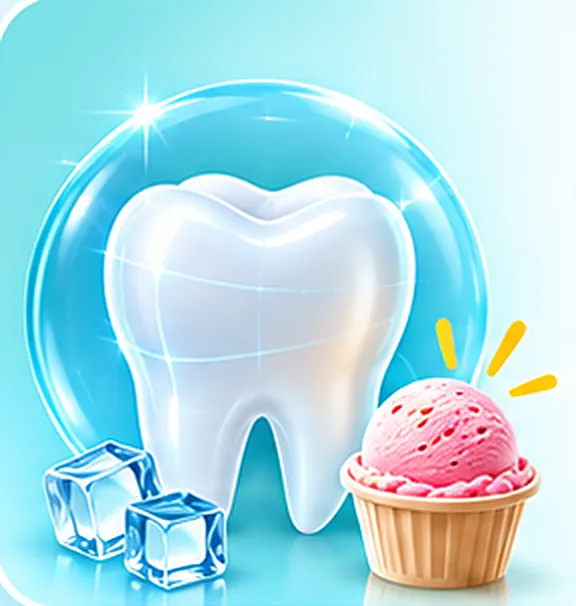
- A twinge when eating something sweet, hot or cold
- A dark spot or a hole you can see or feel
- Food catching in the same place
- Pain when biting
Early cavities often cause no symptoms at all, which is why check-ups find them first.
Does getting a filling hurt?
A small filling may not need numbing at all; a deeper one is done under local anaesthetic, so you feel pressure rather than pain. The decay is removed, the tooth cleaned and the filling placed and shaped to your bite. A composite filling is set hard with a blue light before you leave.
After a filling
- Wait until the numbness wears off before eating, so you do not bite your cheek.
- After a GIC filling, avoid chewing hard food on that side for the rest of the day while it reaches full strength.
- Some sensitivity to cold or biting for a few days is common. If the bite feels high, or the pain grows instead of settling, come back: a small adjustment usually fixes it.
Fillings at S.P.A Dental Clinic
Dr. S. Parvatham, B.D.S, explains which filling suits your tooth and why, and confirms the price before treatment. A consultation is ₹200.
Frequently asked questions
Which is better, composite or GIC filling?
Neither is better everywhere. Composite is stronger and matches your teeth, so it suits most adult teeth. GIC releases fluoride and suits children's milk teeth, cavities near the gum line and temporary fillings.
How much does a tooth filling cost at S.P.A Dental Clinic?
A tooth-coloured composite filling costs ₹1,200 – ₹1,700 and a GIC filling ₹500 – ₹700, depending on the size of the cavity.
How long does a composite filling last?
Many years with good brushing and regular check-ups, often 7–10 years or more. A GIC filling usually lasts a few years, less on back teeth that take heavy chewing.
Can I eat after a tooth filling?
Yes, once the numbness wears off. After a GIC filling, avoid chewing hard food on that side for the rest of the day.
Can a cavity heal on its own?
No. A cavity grows over time. Filling it early is simpler and cheaper than treating it once it reaches the nerve.